E-Waste Disposal: A Complete Guide to Safe and Responsible Recycling
E-waste disposal is a pressing issue that has significant consequences for the environment and human health. As technology advances, the amount of discarded electronics continues to rise. Improper disposal can lead to harmful contaminants leaching into ecosystems. Grasping the significance of responsible e-waste recycling is fundamental. This discussion will explore effective ways to handle e-waste and highlight the critical steps consumers can take to guarantee their devices are disposed of safely and sustainably.
Exploring E-Waste: What It Means and Why It's Important
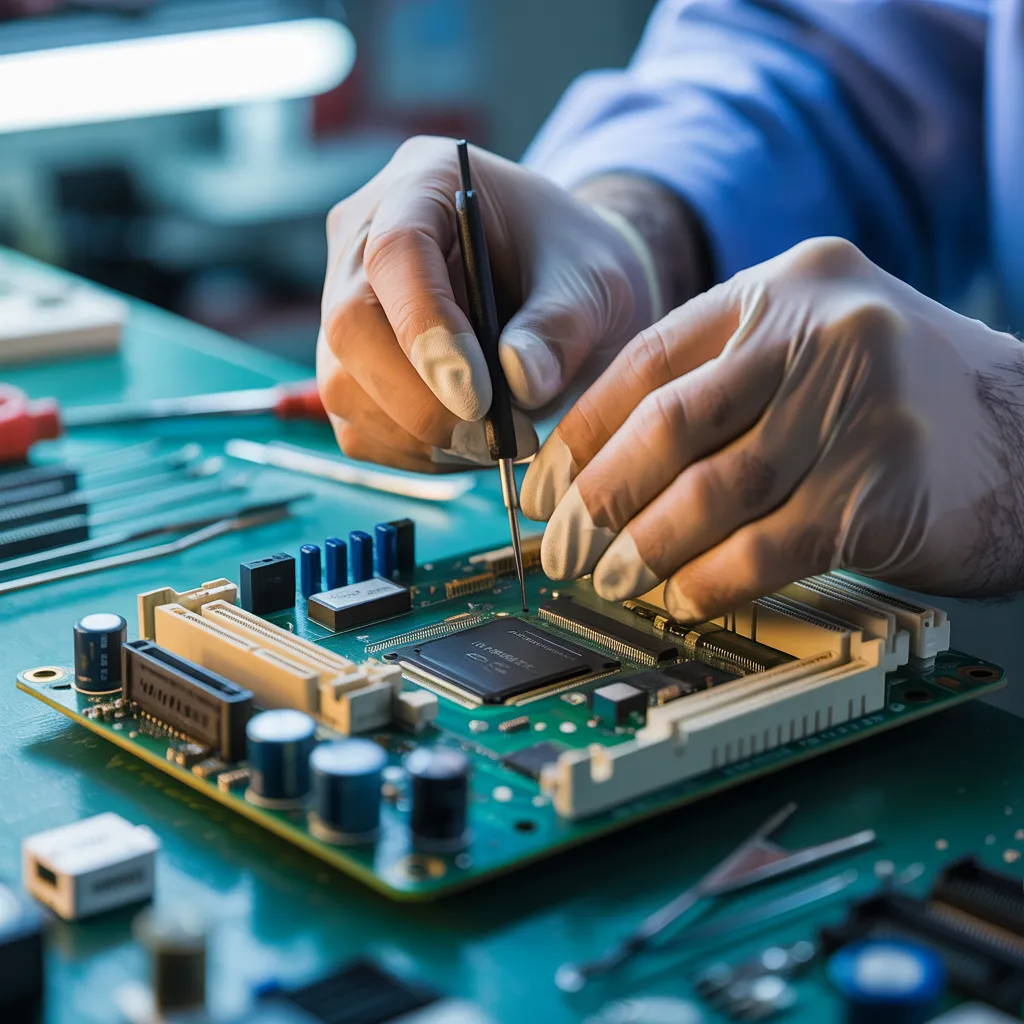
E-waste, or electronic waste, encompasses obsolete and unwanted electrical and electronic equipment, such as computers, mobile phones, and televisions. The fast-paced evolution of technology has contributed to a significant rise in e-waste output, establishing it as a major environmental challenge. Globally, millions of tons of e-waste are generated annually, often ending up in landfills or being improperly disposed of. This waste contains valuable materials, such as gold, silver, and rare earth elements, which can be recycled. Nevertheless, mismanagement of e-waste can result in the discharge of toxic materials into the surrounding environment. Gaining a clear understanding of e-waste is vital for encouraging proper disposal methods and recycling initiatives. Households, organizations, and regulatory authorities all share responsibility in addressing the consequences of e-waste, underscoring the urgency for greater awareness and coordinated efforts. The responsible administration of e-waste not only safeguards natural resources but also advances sustainable development goals and lessens the strain on waste disposal sites.
The Environmental and Health Risks of Improper E-Waste Disposal
The improper handling of electronic waste presents substantial environmental and health hazards that are frequently disregarded. Toxic substances such as lead, mercury, and cadmium are commonly found in View details e-waste and can leach into soil and water supplies, contaminating ecosystems and endangering wildlife. These hazardous materials can accumulate in the food chain, posing serious risks to human health.
Beyond environmental harm, being exposed to hazardous e-waste chemicals can result in numerous health issues, including disorders of the nervous system, breathing difficulties, and even cancer. Individuals participating in unregulated recycling operations are especially susceptible, often lacking safety equipment and appropriate instruction.
The cumulative impact of improper e-waste disposal extends beyond direct health risks, contributing to prolonged environmental challenges such as pollution and biodiversity loss. With the ongoing expansion of electronic device usage, the need to address these hazards becomes increasingly critical for the health of humanity and the natural environment.
E-Waste Recycling Best Practices
Effective e-waste recycling begins with proper sorting techniques, which ensure that materials are divided based on their recyclability. Using certified recycling centers further improves the process, as these organizations adhere to environmental standards and safety regulations. Combined, these best practices support a more sustainable method of electronic waste management.
Essential Sorting Practices
A large share of electronic waste can be systematically categorized to improve recycling outcomes and reduce ecological harm. Effective sorting methods require organizing e-waste into separate categories based on material makeup, such as metals, plastics, and glass. This practice not only simplifies the recycling workflow but also confirms that hazardous materials, like lead and mercury, are processed with care. Additionally, organizing devices according to type—such as computers, smartphones, and appliances—facilitates targeted processing methods tailored to each classification. Applying these sorting techniques can significantly enhance recovery rates of valuable resources, lower landfill deposits, and minimize the hazards linked to improper disposal. Ultimately, proper categorization is essential for responsible electronic waste handling and ethical recycling methods.
Certified Recycling Facilities
Sorting e-waste is merely the first step in a thorough recycling plan. The next phase involves employing certified recycling facilities, which adhere to strict standards for environmentally sound processing. These facilities ensure that dangerous substances, such as mercury and lead, are processed securely, lowering the risk of environmental contamination. Accreditation typically includes guidelines established by organizations like R2 and e-Stewards certification bodies, which encourage ethical recycling practices. By choosing certified facilities, users can ensure that their e-waste is handled appropriately, with valuable materials recovered and harmful substances disposed of correctly. This not only contributes to green efforts but also supports the recycling-based economy, highlighting the importance of ethical e-waste recycling in the current tech-focused era.
Ways to Get Your Devices Ready for Responsible Recycling
Readying electronic devices for proper recycling includes several critical steps that establish data security and environmental safety. As a first step, users should back up important data and then execute a factory reset on their devices to remove personal information. This guarantees that sensitive data is unable to be obtained by unauthorized individuals. Following this, it is essential to take out any batteries or accessories, as these items may call for special handling.
After that, users should clean the devices to clear away any personal identifiers, such as stickers or labels. As a final step, device owners should collect all required cables and original packaging, if accessible, to facilitate the recycling process. By following these steps, the likelihood of data breaches is reduced, and the devices are set up for responsible recycling, thereby contributing to a more sustainable environment. Adhering to these precautions supports safe e-waste disposal practices.
Finding E-Waste Recycling Centers Near You
How do individuals identify trustworthy e-waste disposal centers in their area? One effective approach is to utilize digital tools tailored to meet this need. Platforms like Earth911 and the e-Stewards Directory enable people to find local recycling facilities by providing their zip code. Furthermore, several city governments provide information on official e-waste collection points through their government websites or waste management departments. Nearby electronic stores often participate in sustainability initiatives, offering collection events or in-store drop-offs. Community organizations and non-profits may also hold e-waste disposal campaigns on a regular basis, creating an easy opportunity for residents. Additionally, checking with local environmental groups can yield valuable insights into nearby facilities and best practices. By exploring these avenues, individuals can guarantee they conscientiously manage their electronic refuse while supporting eco-friendly practices.
What Steps Can Consumers Take to Promote Sustainable E-Waste Practices?
Identifying trustworthy e-waste recycling centers represents only the initial step toward encouraging eco-friendly practices. Individuals can effectively champion responsible e-waste handling by learning and informing others about the ecological consequences of careless disposal. Sharing information through social media platforms, community forums, or local events can raise awareness and encourage responsible behavior among peers.
Furthermore, shoppers can back businesses that focus on sustainable practices, such as those running collection initiatives or using green materials. Collaborating with regional lawmakers to advance regulatory measures intended to enhancing e-waste recycling initiatives additionally reinforces advocacy efforts.
Becoming part of or creating community groups dedicated to e-waste issues can strengthen calls for meaningful change. Additionally, consumers can take part in e-waste collection events, playing a hands-on role in the movement for sustainable disposal. By taking these steps, individuals serve a critical function in fostering a culture of environmental responsibility and sustainability concerning electronic waste.
Frequently Asked Questions
What Types of Electronics Are Considered E-Waste?
E-scrap includes obsolete electronic equipment for example televisions, computers, smartphones, appliances, and printers. Such devices commonly include dangerous chemicals, rendering responsible recycling and disposal critical for the health of the environment and the public.
Can E-Waste Be Recycled Through Conventional Garbage Services?
Placing e-waste in conventional trash services is generally considered inadvisable. Many municipalities have specific regulations requiring e-waste to be disposed of at designated recycling centers to prevent environmental harm and guarantee proper handling of hazardous materials.
Is There a Fee for E-Waste Recycling Services?
Yes, there can be costs involved in e-waste recycling. Numerous recycling centers have fees for particular items or services, while various local governments have free recycling initiatives. People should explore available options to determine possible costs prior to recycling.
How Is Data Securely Wiped From Devices Before Recycling?
Data is thoroughly erased from devices using specialized software that repeatedly overwrites existing data, ensuring complete erasure. As another option, physical destruction of storage components can also be employed to avoid data retrieval before recycling.
What Takes Place With E-Waste After the Recycling Process?
Once recycled, e-waste undergoes processing and separation into valuable components like metals, plastics, and glass. These materials are then repurposed for producing new goods, thus reducing environmental harm and preserving natural resources.